USE CODE “US04”

Are Lifeguards First Responders?

Answer: Yes, lifeguards are first responders, because they are already at the scene of an accident/incident.

WATER SAFETY

Lifeguards are not always expected to see all accidents/incidents that happen at an aquatic facility, but they are expected to respond accordingly and responsibly when an accident/incident is brought to their attention. That is what their training is for, to assist and provide “first responder” help. Yes it would be nice for lifeguards at aquatic facilities to physically see all incidents that happen at a pool or recreation facility, but let’s be honest, that just doesn’t happen. Lifeguards are expected to be trained in basic lifesaving skills as well as CPR and first aid. This training is taught so that young men and woman that enter into the “water safety” business are prepared to respond and assist patrons and swimmers in a time of need at an aquatic facility.  


Startling FACTS on drowning!

Overview

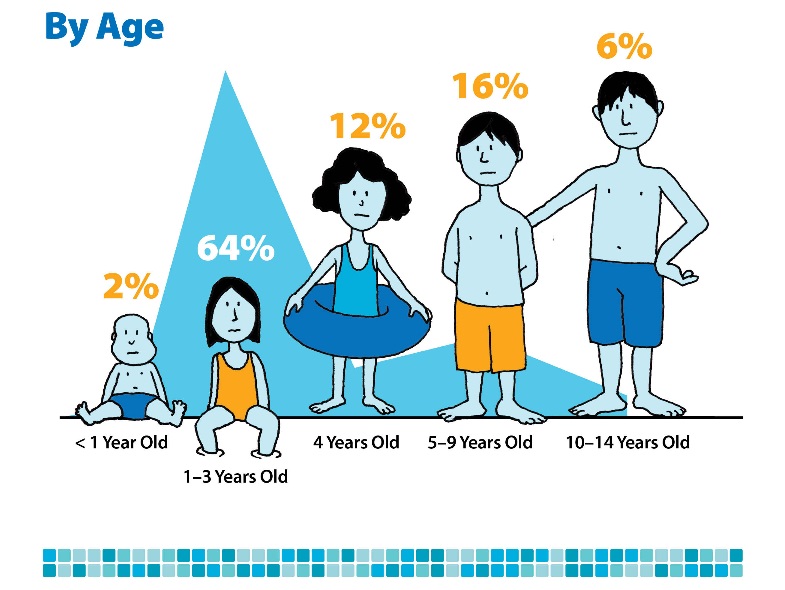
A non-guarded swimming pool is 14 times more likely than a motor vehicle to be involved in the death of a child age 4 and under.


Lifeguards are also present to help enforce rules and safety at an aquatic facility. Without lifeguards present at an aquatic facility there is disorderliness, lack of organization, disarrangement and no structure. Young swimmers (typically, ones that visit swimming facilities the most) are free to use their own judgement to determine what is safe and not safe at a pool facility. This usually can lead to a lot of unforeseen issues and risks.

Tips to stay safe in water at your Aquatic Facility!

Swimming Logo

Learn to Swim

Formal swimming lessons can protect children from drowning. However, even when children have had formal swimming lessons, constant, careful supervision is needed from parents when children are in the water.​

CPR Icon

Learn CPR

In the time it takes for paramedics to arrive, your CPR skills could save someone’s life.

AED Icon

Don’t let swimmers hyperventilate before swimming underwater

Holding your breath for long periods of time can cause one to pass out (sometimes called “shallow water blackout”) and drown.

Supervision of Lifeguard

Supervise When in or Around Water.

 Designate a responsible adult to watch children while swimming or playing in or around water. Supervision of preschool children should provide “touch supervision”, be close enough to reach the child at all times and provide a coast guard approved life jacket. Because drowning occurs quickly and quietly, adults should not be involved in any other distracting activity (such as reading, playing games, socializing, drinking alcohol, talking/texting on the phone and sun bathing) while supervising children, even if lifeguards are present.

Swimm with Buddy Icon

Use the Buddy System

Always swim with a buddy. Select swimming sites that have lifeguards when possible.

Heart Icon

Seizure Disorder Safety

If you or a family member has a seizure disorder, provide one-on-one supervision around water. Consider wearing coast guard approved life jackets when around water.

The importance of lifeguards providing patron surveillance, especially monitoring the behavior of swimmers, can be demonstrated with a brief description of how persons drown. Many people assume that drowning persons are easy to identify because they will exhibit obvious signs of distress in the water, such as yelling or waving their arms. However, this kind of behavior is not common. Instead, people tend to drown in more quiet, less attention-getting ways. Drowning persons usually struggle to keep their mouth above the surface of the water in order to breathe. Struggling to stay afloat and possibly suffocating, they are rarely able to call out or wave their arms. Observational studies of persons at flat water (non-surf) beaches have revealed that non-swimming adults who find themselves in water over their heads are generally able to struggle on the surface of the water for about 60 seconds, while infants and very small children can submerge in as little as 20 seconds. However, facility owners and managers at aquatic facilities sometimes make the mistake of assigning lifeguards unrelated duties to perform while also expecting them to conduct effective patron surveillance. Because drowning can occur quickly and quietly, it is not surprising that lifeguards, distracted from keeping an eye on the water by other assigned duties, have failed to spot drowning persons in time to rescue them. Indeed, unobserved drownings have occurred even while lifeguards were stationed 20 feet from the incident. It is clear, therefore, that swimming facilities must be staffed adequately to ensure effective and continuous patron surveillance, and that lifeguards should be given no other task that would distract them from this work.

Look for these signs of drowning when persons are in the water at Aquatic Facility

“Except in rare circumstances, drowning people are physiologically unable to call out for help. The respiratory system was designed for breathing. Speech is the secondary or overlaid function. Breathing must be fulfilled before speech occurs.

Drowning people’s mouths alternately sink below and reappear above the surface of the water. The mouths of drowning people are not above the surface of the water long enough for them to exhale, inhale, and call out for help. When the drowning people’s mouths are above the surface, they exhale and inhale quickly as their mouths start to sink below the surface of the water.

Drowning people cannot wave for help. Nature instinctively forces them to extend their arms laterally and press down on the water’s surface. Pressing down on the surface of the water permits drowning people to leverage their bodies so they can lift their mouths out of the water to breathe.

Except in rare circumstances, drowning people are physiologically unable to call out for help. The respiratory system was designed for breathing. Speech is the secondary or overlaid function. Breathing must be fulfilled before speech occurs.


Bottom Line

When swimmers are in distress their mouths alternately sink below and reappear above the surface of the water. The mouths of drowning people are not above the surface of the water long enough for them to exhale, inhale, and call out for help. When drowning people’s mouths are above the surface, they exhale and inhale quickly as their mouths start to sink below the surface of the water.

Drowning people cannot wave for help. Nature instinctively forces them to extend their arms laterally and press down on the water’s surface. Pressing down on the surface of the water permits drowning people to leverage their bodies so they can lift their mouths out of the water to breathe.

Throughout the Instinctive Drowning Response, drowning people cannot voluntarily control their arm movements. Physiologically, drowning people who are struggling on the surface of the water cannot stop drowning and perform voluntary movements such as waving for help, moving toward a rescuer, or reaching out for a piece of rescue equipment.

From beginning to end of the Instinctive Drowning Response people’s bodies remain upright in the water, with no evidence of a supporting kick. Unless assisted or rescued by a “buddy swimmer”, bystander swimmer or a lifeguard, these drowning people can only struggle on the surface of the water from 20 to 60 seconds before submersion occurs.”

Don't Become a Statistic

Drowning stats
Age of drowning stats

Parents should be their child’s “lifeguard”. Nobody’s going to watch your child as well as you are and when you send your child to the pool with friends, babysitters, aunts, uncles, they’re not watching their child like you would.

Children of all ages and experience levels should be with a parent if possible. Parents know their own children’s limits and how long they are capable of being in the water and underwater.

SWIM SAFELY & PLEASE REMEMBER... ONLY YOU CAN GUARANTEE YOUR  CHILD'S SAFETY!

Is "dry drowning" real, and when should I see a doctor after a scare?

“Dry drowning” is not a medical term, but breathing problems can appear hours after someone inhales water. Watch for ongoing coughing, trouble breathing, vomiting, or unusual sleepiness, and get medical care right away if any appear, even if the person seemed fine at first.

What should I do if I get tired or panic in the water?
  • Stay calm and stop fighting the water
  • Roll onto your back and float with arms and legs spread
  • Breathe steadily and call or wave for help
  • Swim toward safety only once your breathing settles
Why is cold water dangerous even for strong swimmers?

Sudden cold can trigger gasping and fast breathing in the first minute, which can pull water into the lungs. Muscles also weaken quickly. Enter slowly, wear a life jacket in cold open water, and never rely on strength alone.

Is CPR different for someone who has been drowning?
  • Call 911 first, or send someone to call
  • If trained, give rescue breaths along with chest compressions, since drowning starves the body of oxygen
  • Dry the chest before using an AED
  • Continue until help arrives or the person responds
Do I need to wait 30 minutes after eating before swimming?

Research has not shown that eating causes dangerous cramps or drowning. A light meal is fine, but if you feel heavy, nauseous, or sluggish, take a break before swimming hard.

What is drain entrapment, and how can I avoid it?
  • Strong suction at a drain can trap hair, limbs, or swimsuits
  • Keep away from drains and tie up long hair
  • Never play near or hold on to a drain
  • Report any broken or missing drain cover to staff right away
How quickly do lifeguards need to respond?

Many lifeguards are trained to scan their zone every 10 seconds and reach any swimmer in trouble within 20 seconds. That short window is why a guard’s full attention on the water matters so much.

Do children tire or get cold faster in water than adults?

Yes, children lose body heat faster and tire more quickly, which weakens coordination and judgment. Bring them out for regular breaks and warm them with a towel, rather than waiting for them to say they are tired.

Do pool fences, alarms, and covers replace supervision?
  • Fences and self-latching gates limit access
  • Alarms and covers add warning or delay
  • Life jackets and swim skills protect in the water
  • Adult supervision is the layer that must never be removed
How can a facility use these facts to reduce drowning risk?
  • Give guards enough breaks and rotation to stay alert
  • Run scanning and rescue drills regularly
  • Track near-misses, not just incidents
  • Refresh staff on how drowning looks and sounds