
A Lifeguards job responsibility is quite crucial. Not only are lifeguards responsible for the safety of people around the aquatic facility but they are also responsible for creating a structure of safety by making sure everyone follows the rules at an aquatic facility. Being a lifeguard is not an easy job which is why recruiting and Lifeguard Staffing is one of the most crucial task when hiring for an aquatic facility.
While undergoing Lifeguard Management courses, lifeguards are trained to become advanced swimmers while developing their water safety skills. It is mandatory to undergo life saving training before applying for Lifeguard Jobs near me.
“SELECT COMPANY US04″
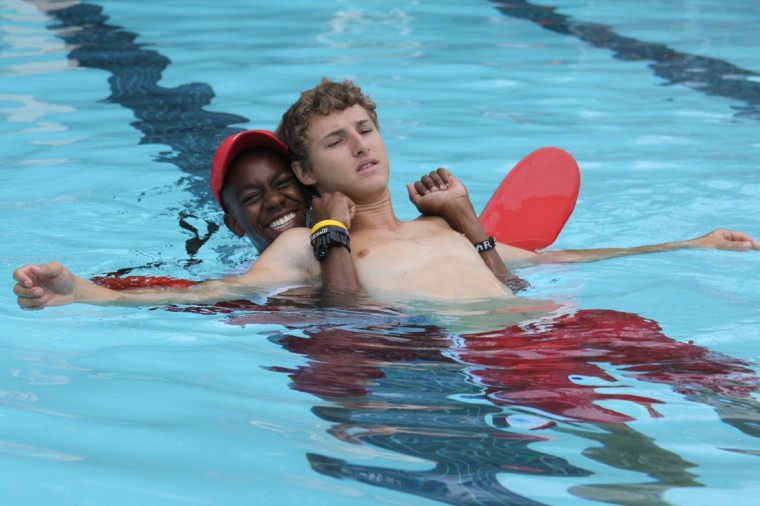
The major role of pool lifeguard jobs is to monitor the activity of swimmers in and around the water. Lifeguards typically sit or stand at approved lifeguard stations. This ensures lifeguards are stationed in the right locations to view and to be able to respond to emergency situations that can and may arise.
Another part of monitoring a lifeguard is during their job duties is “facility monitoring”. Swimming pool owners and operators frequently forget the importance of constantly monitoring their aquatic facility. They far to often assume that not having lifeguards supervising the safety framework of their operations will either, take care of itself or lessen the liability for their negligence. This is a common mistake typically made by homeowner associations. The uncertainty that involves swimming pools and all of its surroundings is a very dangerous situation. Not having lifeguards or pool attendants to ensure order and structure at your swimming pool is a liability very few lawyers will defend with any success.
Pool lifeguards are usually not just the best swimmers, but they are also equipped with the skills on certain emergency issues that include CPR & First Aid. Once a swimmer is injured, fatigue or cramping, a lifeguard will provide safety measures to reduce the risk of death. They commonly provide emergency response (First Responders) and provide some stability while at the same time waiting for paramedics to show up and take over.
Together with securing the safety of swimmer, lifeguarding jobs can play a vital role in teaching individuals and children at the pool water safety at the pool. Countless aquatic staff and lifeguards perform a swim lesson programs all over the world. It is always important to ensure that children are water safe. The best way to provide water safety for kids is to teach them to swim. Instead of removing kids from a pool, a good lifeguard will teach children to understand pool rules and water safety guidelines to help them understand the reasoning of having these important regulations and safety measures. In addition, lifeguards can also advise swimmers from other sorts of dangers in the waterways.
When it comes to open water venues wherein swimmers splash into rivers, lakes, rock quarries and beaches for their recreation, lifeguards can direct and control evacuations for everybody’s safety. If a shark, dehydration, hypothermia, rip current or any other sort of water dangers is seen in a open water area, it is essential for lifeguards to perform necessary evacuation and act right away to ensure peoples safety. In addition, rash weather conditions can also induce beach evacuation. Lifeguarding jobs can also assist boating needs to aid stranded individuals by helping guide them back to the shore again.

A lifeguard is responsible for monitoring swimmers, enforcing aquatic facility rules, responding to emergencies, and helping maintain a safe and organized environment around the water.
Lifeguard staffing helps provide consistent supervision around the water and supports the safety structure of an aquatic facility. Lifeguards can monitor swimmers, enforce rules, and respond when an emergency occurs.
The page explains that lifeguards undergo lifesaving training and develop water safety skills while preparing for lifeguard work. It also identifies CPR and First Aid skills as important for responding to emergencies.
Lifeguards monitor swimmers from approved lifeguard stations that allow them to maintain visibility of the water and respond to emergency situations when necessary. Facility monitoring is also described as an important part of their duties.
Yes. Lifeguards are described as first responders who can use skills such as CPR and First Aid when a swimmer is injured, fatigued, or experiencing problems such as cramping while waiting for additional medical assistance.
Lifeguards can help swimmers and children understand pool rules and water safety guidelines. The page also notes that aquatic staff and lifeguards may participate in swim lesson programs to help children develop swimming and water-safety skills.
During an emergency, lifeguards can help direct and control evacuations. In open-water environments, this may involve responding to hazards such as rip currents, dangerous weather, hypothermia, dehydration, or other conditions that require people to leave the water.
Yes. The page discusses lifeguarding responsibilities at rivers, lakes, rock quarries, beaches, and other open-water venues. Lifeguards may help respond to water hazards, manage evacuations, and assist stranded individuals in returning to shore.
USA Management’s page focuses on lifeguard jobs and staffing, including the importance of trained lifeguards for aquatic facilities. The page also provides information about a Lifeguard Scholarship Fund created to help future team members with certification courses and continuing education.
Yes. The page highlights the Lifeguard Scholarship Fund, which was created to assist future team members with payment for certification courses and continuing education.